
Peruvian Gastronomy Guide: 2026 What To Eat In Each Region (Coast, Andes, Amazon)
- 21 May, 2026
- by Erik Krause
Peru food guide covering regional flavors — coast, Andes & Amazon — with must-try traditional dishes and smart tips.
Read more


Close your eyes and imagine the rich, smoky aroma of Andean herbs, the gentle warmth of volcanic stones pressed into the earth, and the slow-drip juices of roast meats and native tubers, this is Pachamanca, a multisensory celebration of flavour and tradition.
More than a meal, Pachamanca is a ritual of gratitude, a communal fiesta, and a living thread of Peru’s ancient heritage.
In this blog, you’ll uncover its pre‑Inca history, learn the steps of its underground cooking process, discover where to savour an authentic Pachamanca, and find out how you can experience this unforgettable feast yourself. woven seamlessly into a trip with us.
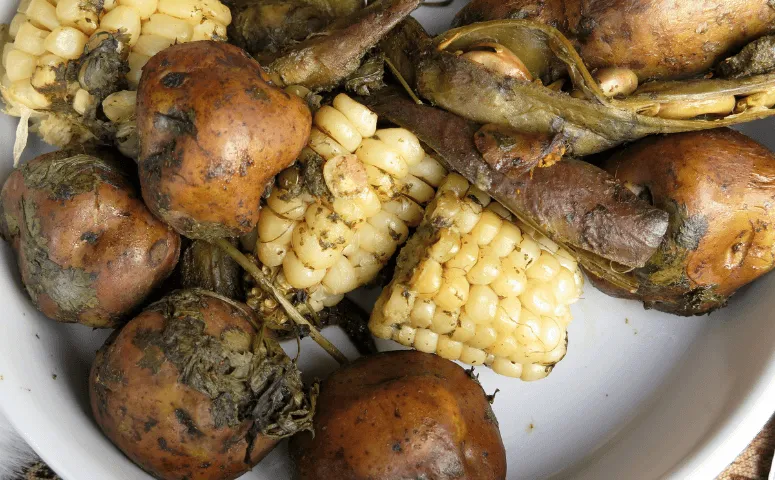
The word Pachamanca comes from the ancient Quechua language and translates to “earth pot”, a fitting name for this traditional Andean dish that’s literally cooked underground. More than just a method, Pachamanca is a culinary ritual that dates back thousands of years, honoring Pachamama, or Mother Earth.
Using preheated volcanic stones, ingredients are layered inside a pit dug into the ground, then sealed with leaves and soil to slow-cook over several hours. The result? A deeply flavorful, tender feast infused with smoky, herbal notes you can’t replicate in any kitchen.
Typical Pachamanca includes a mix of meats such as lamb, pork, and chicken, native potatoes, sweet potatoes, corn, fava beans, and aromatic Andean herbs like huacatay (black mint). Each bite tells the story of the Andes, earthy, vibrant, and rooted in tradition. Curious to dive deeper into Peruvian culture and traditions? Check out our blog post to learn more.

Pachamanca isn’t just a delicious meal, it’s a living tradition that dates back to Inca times. Rooted in agricultural rituals, this earth-cooked feast was often prepared during harvest festivals as an offering to Pachamama, or Mother Earth, in gratitude for abundance.
The act of cooking food underground symbolized returning nourishment to the very source of life itself.
For the Andean people, food was sacred, and so was the earth. Burying the ingredients beneath hot stones wasn’t just a practical method, it reflected a deep spiritual connection to nature, time, and community. The layers of food, the heat of the stones, the covering of leaves and soil, each step carried meaning.
Traditionally, Pachamanca is prepared during special celebrations such as weddings, birthdays, or village gatherings. It’s not a dish made alone; it brings families and neighbors together to cook, share stories, and celebrate life.
If you want to experience this ritual firsthand, our 8-Day Authentic Peru Tour includes a Pachamanca lunch with locals in the Sacred Valley, an unforgettable cultural highlight.
To experience Pachamanca is to step into a centuries-old Andean tradition that still unites people around the warmth of the earth and the joy of a shared meal.

Crafting a Pachamanca is far more than just cooking, it’s an ancestral ceremony that unfolds with care, patience, and tradition. Here’s how this magical earth-cooked meal comes to life:
1. Heating the Stones
It all begins by heating volcanic stones over an open flame until they glow with radiant heat. These stones are the heart of the process, mimicking an ancient oven buried within the ground.
2. Seasoning the Ingredients
While the stones heat, the meats, usually a mix of lamb, pork, chicken, or even cuy, are generously seasoned with native Andean herbs like huacatay, cumin, and garlic. Alongside them, potatoes, sweet potatoes, corn, and fava beans are prepped for the pit.
3. Layering the Food with Leaves
Inside a shallow earth pit, the hot stones are carefully arranged at the bottom. Then, layers of food are added, each separated by fresh choclo husks, achira leaves, or banana leaves to infuse flavor and protect the ingredients.
4. Covering with Earth
Once the food is stacked, the entire pit is sealed with more leaves, cloth, and finally a thick layer of earth to trap the heat. From the outside, it looks like nothing more than a simple mound, but magic is happening beneath the surface.
5. Slow Cooking and the Big Reveal
Over the next two to three hours, the ingredients cook slowly in their earthy oven. When the covering is finally removed, steam rises into the air, revealing a perfectly tender, aromatic Pachamanca, ready to be shared, savored, and celebrated.
It’s not just about what’s on the plate; it’s about honoring the land, the process, and the people who make it possible. Make sure to learn more about the different Peruvian food before your trip to this unique and amazing country.
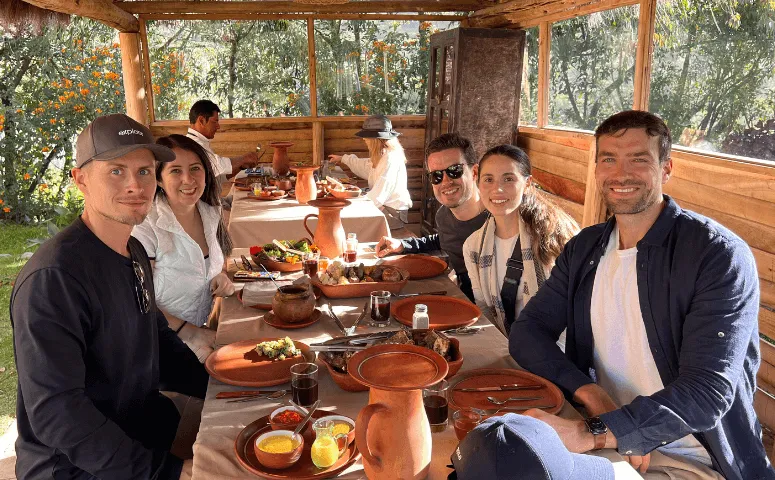
If you’re looking to taste authentic Pachamanca, there’s no better place than the highlands of Peru, where the tradition was born and still thrives today. Some of the best regions to enjoy this feast include the Sacred Valley, the countryside around Cusco, and small Quechua communities where Pachamanca is not just a dish, but a way of life.
At Exploor Peru, we include Pachamanca experiences in several of our customized Peru tours. One of the favorites? Enjoying a traditional Pachamanca meal prepared by a local family after hiking with alpacas through the Sacred Valley. It’s the perfect way to unwind, connect, and dive deeper into Andean traditions.
“Eating Pachamanca with a family in the mountains was one of the most memorable meals of my life. It wasn’t just the food, it was the warmth, the views, and the feeling of being part of something real.”
– Emily S., USA
Whether you’re a foodie, a culture lover, or just curious to try something truly local, Pachamanca is a must.
Looking for an authentic Pachamanca experience on your trip? See our 8-Day Peru Culinary tour.
In a world racing toward modern convenience, Pachamanca stands out as a timeless, sustainable practice, one that honors the land instead of exploiting it. Everything about this ancient cooking ritual reflects a deep respect for nature and community.
There’s no need for electricity, gas, or plastic. The “oven” is the earth itself, fueled by naturally sourced stones and covered with biodegradable leaves. The ingredients? Always local, seasonal meats, native tubers, and herbs grown nearby. Even the leftovers are minimal, as what isn’t eaten is often shared or returned to the soil as compost.
Pachamanca is a beautiful example of how communities can thrive in harmony with the land. It’s not just sustainable, it’s regenerative. It brings people together, fosters cultural pride, and reinforces traditions that preserve both biodiversity and identity.
At Exploor Peru, we believe in meaningful travel that uplifts the places and people you visit. That’s why our tours support local farmers, indigenous hosts, and communities who carry on traditions like Pachamanca with integrity.
When you join us for this experience, you’re not just enjoying an unforgettable meal, you’re helping protect a way of life that’s rooted in respect, balance, and connection. That’s why we are focusing heavily on sustainable and responsible travel through Peru.
Pachamanca is more than a traditional dish, it’s an experience that speaks to the soul of Peru. From the warmth of the stones to the wisdom passed down through generations, it connects you to the land, the people, and a culture that values harmony over haste. It’s a meal that feeds both body and spirit.
At Exploor Peru, we’ve spent years building relationships with local families and communities so you can enjoy Pachamanca the way it was meant to be, authentic, intimate, and unforgettable. Whether it’s part of a hike through the Sacred Valley or a cultural day in the Andes, we tailor the experience to match your interests and travel style.
Contact us if you want to experience an authentic Pachamanca in the Andes.
Pachamanca is a traditional Andean meal cooked underground with hot stones. Seasoned meats and native crops are layered with leaves in a pit, then covered with earth to slow-cook. The result is tender, smoky, and herbal, a style tied to Andean ceremony and community.
It follows five steps. Heat volcanic stones over fire. Season meats and vegetables with Andean herbs. Layer food with leaves over the hot stones in a pit. Seal with leaves, cloth, and earth. Slow-cook for 2 to 3 hours, then open the pit and serve.
Common meats are lamb, pork, chicken, and sometimes cuy. Vegetables and sides include native potatoes, sweet potatoes, corn, and fava beans. Huacatay and other herbs add a distinct Andean flavor.
The Sacred Valley, Cusco countryside, and small Quechua communities are ideal. Exploor Peru includes Pachamanca with local hosts on select tours, such as the 8-Day Authentic Peru Tour and the 8-Day Peru Culinary tour.
It uses the earth as an oven, so no electricity or gas is needed. Leaves serve as natural covers, ingredients are local and seasonal, and leftovers are minimal or composted. The practice supports local farmers and culture while reducing waste.


Jocelyn28 July, 2025 at 12:39 pm
This looks incredible! I’ve been thinking about visiting Peru for a while now, and experiences like a traditional pachamanca meal make me even more excited to go. I love the idea of food being cooked underground with hot stones – so unique and meaningful. Can’t wait to try it in person and learn more about the traditions behind it!
Oliver from Exploor28 July, 2025 at 12:44 pm
Thanks so much for your comment, Jocelyn! We’re excited to hear you’re considering a trip to Peru. A traditional pachamanca is definitely one of those unforgettable cultural experiences—it’s not just about the flavors, but also the connection to the land and local traditions. We’d love to help you experience it in person when the time comes! Feel free to email us at [email protected] and we’ll be happy to help. 🙂
Giuliana Sanchez27 July, 2025 at 5:13 pm
es riquísima la Pachamanca, me encantó la experiencia en Ollantaytambo con ustedes! Gracias a nuestro guía Junior la pasamos increíble!! Muchas gracias Exploor
Oliver from Exploor28 July, 2025 at 12:43 pm
Giuliana, muchas gracias por tu comentario! Nos alegra muchísimo saber que disfrutaron tanto la Pachamanca y que la experiencia en Ollantaytambo fue especial para ustedes. Junior estará feliz de saber que hizo la diferencia en su viaje. ¡Esperamos verlos de nuevo pronto para seguir explorando juntos!